
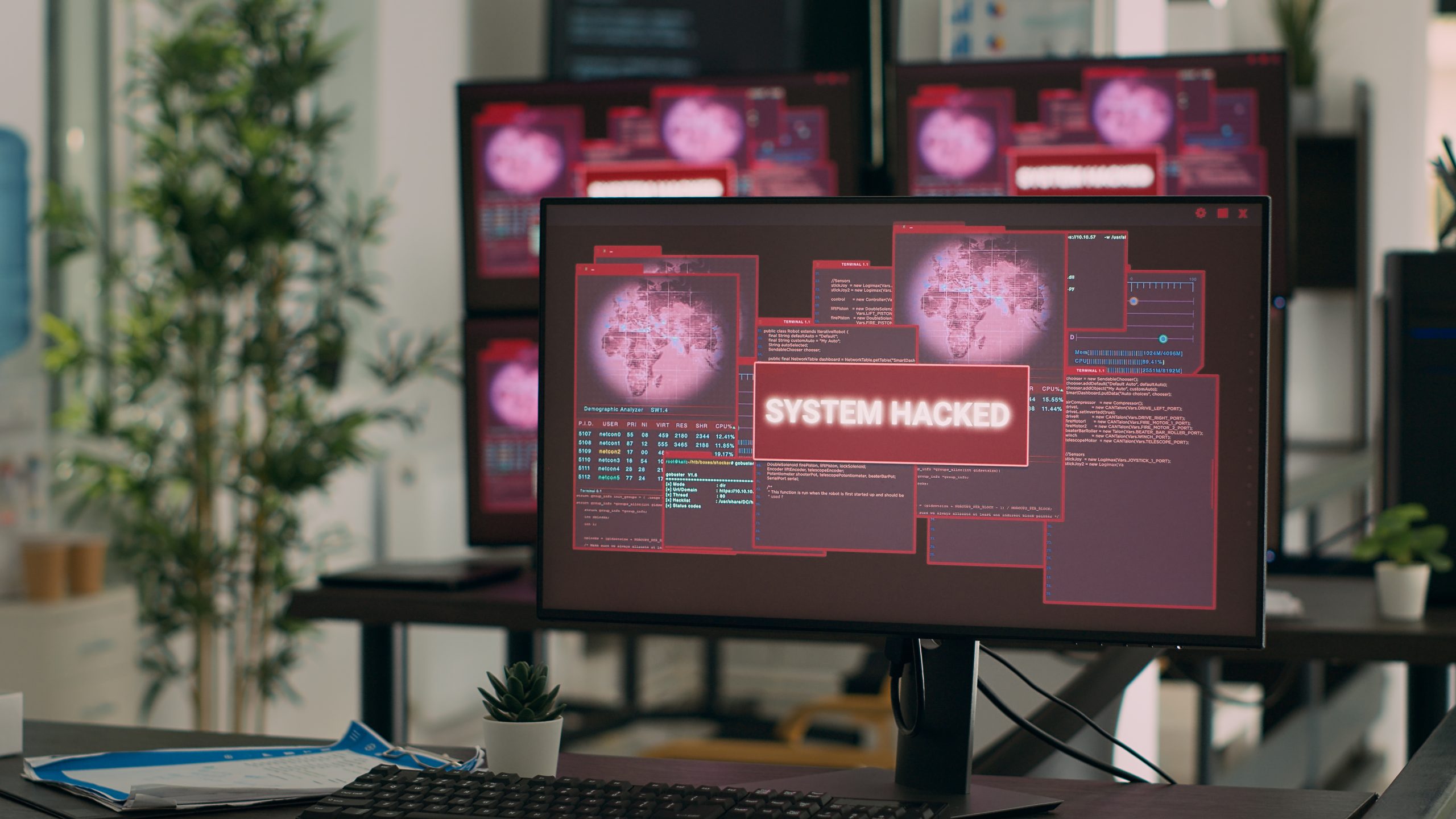
Cyber resilience is the strategic ability to anticipate, withstand, adapt to, and recover from cyber incidents while maintaining business continuity. As Uganda advances its digital transformation, it reaps numerous benefits, but this progress also brings a variety of cyber risks. Small and medium enterprises (SMEs) increasingly adopt e-commerce platforms, while government institutions implement sophisticated IT systems. This heightened reliance on interconnected technologies makes organisations more vulnerable to cyber threats, which can compromise critical data, disrupt operations, and erode stakeholder confidence.
Organisations must understand that resilience cannot be achieved through preventive measures alone. It requires a comprehensive approach that integrates advanced risk management frameworks, incident response protocols, and a culture of awareness. This article explores the vital strategies and methodologies for building cyber resilience that address Uganda’s specific cyber threat environment. It emphasises the crucial role that resilience plays in ensuring long-term organisational success.
Relevance of Cyber Resilience
For many organisations, cybersecurity strategies have historically centred on prevention—deploying firewalls, antivirus software, and other perimeter defences to thwart potential threats. While these tools are indispensable, they are no longer sufficient in today’s sophisticated and dynamic threat environment. Cyber adversaries increasingly employ advanced techniques, such as social engineering, zero-day exploits, and ransomware-as-a-service, to bypass traditional defences with alarming efficiency.
Cyber resilience elevates the conversation from merely defending against attacks to ensuring operational continuity when breaches occur. It acknowledges that no system is impervious and that even the most secure networks can be compromised. This shift in focus from “if” an attack will occur to “when” is critical for organisations operating in Uganda.
A lack of resilience can be catastrophic. Consider a scenario in which a ransomware attack incapacitates a critical financial institution. The ripple effects could disrupt the institution and the broader economy without a robust incident response plan and recovery mechanism. Cyber resilience ensures that organisations can quickly identify, isolate, and mitigate the impact of such incidents, minimising downtime and preserving stakeholder trust.
Ultimately, resilience is about preparedness and adaptability. It empowers organisations to confidently navigate the complexities of an evolving cyber threat landscape, ensuring that operations continue unabated, even in the face of adversity.
Key Components of Cyber Resilience
Risk Assessments
Risk assessments form the cornerstone of a robust cyber resilience strategy. They provide organisations with a structured framework for uncovering vulnerabilities, anticipating potential threats, and allocating resources to address the most critical risks. This focused approach ensures operational and financial efficiency in Uganda’s increasingly digital environment, where cybersecurity resources may be limited.
Key Steps in Conducting a Risk Assessment
- Asset Identification
Organisations must first catalogue their critical digital assets. These include hardware (servers, laptops), software (ERP systems, customer management platforms), and sensitive data (financial records, customer information). A clear understanding of what needs protection is essential for determining priorities. - Vulnerability Analysis
The next step is to evaluate each asset for potential weaknesses. Common issues include unpatched software, poorly configured security settings, and insufficient access controls. Identifying these weaknesses helps organisations understand where they are most exposed. - Threat Evaluation
Threat evaluation focuses on identifying the most likely and impactful cyberattacks. For businesses in Uganda, prevalent threats include phishing campaigns, ransomware attacks, and insider threats. Analysing these risks in the context of organisational operations highlights areas of concern. - Impact Assessment
Assessing the potential consequences of a cyber incident is critical. For example, a ransomware attack on a financial institution could halt operations, damage reputation, and trigger regulatory scrutiny. Understanding these impacts helps in prioritising mitigation strategies.
The Value of Regular Risk Assessments
Cyber threats evolve rapidly, making regular assessments a necessity. Organisations can adapt to new vulnerabilities, address emerging threats, and refine defences through periodic evaluations. This ongoing vigilance ensures that cyber resilience measures remain relevant and practical.
Culture of Cyber Awareness
Cyber resilience encompasses the human element, arguably the most critical aspect of an organisation’s defence against cyber threats. Whether knowingly or unknowingly, employees often act as the first line of defence or as an inadvertent entry point for attackers. A culture of cyber awareness transforms this human element into a robust barrier against potential threats.
Key Strategies to Cultivate Cyber Awareness
- Comprehensive Training Programs
Regular training sessions equip employees with the knowledge to identify and respond to cyber threats. With hands-on demonstrations and real-world examples, these programs should address common attack vectors, such as phishing emails, malware, and social engineering tactics. - Policy Development and Communication
Clear and enforceable cybersecurity policies provide a framework for employee behaviour. These policies should outline best practices for password management, data sharing, and device usage. Regular updates and effective communication ensure that employees remain informed about their responsibilities. - Simulated Cyber Threat Exercises
Conducting mock phishing campaigns and other simulations helps assess employee awareness and reinforces training objectives. These exercises also provide valuable insights into the organisation’s human firewall vulnerabilities. - Promoting a Security-First Mindset
Cybersecurity should be ingrained in the organisational culture, with leaders setting the tone. Employees must understand that their actions directly impact the company’s overall security posture. Encouraging openness and dialogue about cybersecurity fosters accountability and continuous improvement.
Long-Term Benefits of Cyber Awareness
Building a culture of cyber awareness protects against immediate threats and creates an adaptable workforce capable of responding to evolving risks. For organisations in Uganda, this proactive approach ensures resilience in an increasingly complex cyber landscape.
Incident Response Plans
While prevention and awareness are essential, no organisation can eliminate the risk of cyber incidents. An incident response plan (IRP) provides a structured approach to swiftly and efficiently detect, mitigate, and recover from security breaches. For Ugandan organisations, where the potential impact of cyberattacks on operations and reputation is significant, having a well-developed IRP is non-negotiable.
Core Components of an Effective Incident Response Plan
- Preparation
Preparation is the foundation of any IRP. This includes assembling a dedicated incident response team, defining roles and responsibilities, and ensuring access to critical resources. Training and readiness exercises ensure team members can act decisively during an incident. - Detection and Analysis
Swift detection is critical to minimising the damage caused by a breach. Organisations must deploy monitoring tools and establish transparent processes for identifying unusual activity. Once detected, incidents must be analysed to determine their scope, impact, and origin. - Containment
Containment strategies focus on isolating affected systems to prevent the attack from spreading. This might involve disconnecting infected devices from the network or applying access controls to limit further exposure. Speed and precision are crucial at this stage. - Eradication and Recovery
After containment, the root cause of the incident must be eliminated. This may involve removing malware, patching vulnerabilities, or replacing compromised credentials. Recovery efforts then restore systems to operational status, ensuring integrity and security. - Post-Incident Analysis
Every incident offers valuable lessons. A thorough review should be conducted to evaluate the response, identify gaps, and implement improvements. This step ensures continuous refinement of the IRP and strengthens overall resilience.
Crisis Simulations
Even the most comprehensive cybersecurity plans require real-world validation to ensure their effectiveness. Crisis simulations are essential to cyber resilience, enabling organisations to test their incident response plans, identify vulnerabilities, and build confidence in their ability to handle real cyberattacks. These exercises are invaluable for Ugandan businesses, where preparedness often determines survival in a breach scenario.
Designing Effective Crisis Simulations
- Defining Objectives
A successful simulation starts with clear objectives. Whether the objectives are testing the speed of breach detection, evaluating the efficiency of communication protocols, or assessing recovery timelines, objectives ensure that the exercise yields actionable insights. - Crafting Realistic Scenarios
Simulations should reflect potential threats that are relevant to the organisation’s context. For example, a simulation for a financial institution in Uganda might focus on a ransomware attack targeting sensitive customer data. At the same time, a telecom company might simulate a distributed denial-of-service (DDoS) attack. - Engaging Cross-Functional Teams
Effective cybersecurity requires collaboration. Simulations should involve IT teams, leadership, communications staff, and any other stakeholders involved in incident management. This cross-functional approach ensures that all aspects of the response plan are tested. - Incorporating Uncertainty
Introducing unexpected elements—such as system failures or uncooperative vendors—adds realism and tests the team’s adaptability under pressure. This mirrors the unpredictable nature of real-world cyber incidents.
Analysing and Applying Lessons Learned
Post-simulation debriefs are essential for extracting value from the exercise. Organisations should document key findings, identify areas for improvement, and update their response plans accordingly. Over time, regular simulations build institutional muscle memory, reducing response times and enhancing decision-making under stress.
Strengthening Resilience Through Practice
For organisations in Uganda, where digital systems are integral to economic and operational success, crisis simulations provide a critical opportunity to identify weaknesses before exploiting them. By refining strategies in a controlled environment, businesses can fortify their defences and ensure preparedness for the inevitable challenges of the cyber threat landscape.
Business Continuity and Disaster Recovery
A resilient organisation can sustain operations even in the face of disruption. Business continuity and disaster recovery (BCDR) are critical components of cyber resilience, ensuring that essential services remain available and systems can be restored quickly after an incident. For Ugandan enterprises, which increasingly rely on digital infrastructure for operations, effective BCDR planning is essential for mitigating downtime and minimising losses.
Key Elements of a Business Continuity and Disaster Recovery Plan
- Business Impact Analysis (BIA)
A BIA identifies critical business functions and evaluates the impact of their disruption. This analysis helps prioritise resources and define acceptable recovery time objectives (RTOs) and recovery point objectives (RPOs) to guide recovery efforts. - Data Backup Strategies
Data loss is one of the most significant risks during a cyber incident. Effective BCDR plans include regular, automated data backups stored in secure, offsite or cloud locations. These backups should be tested periodically to ensure their reliability. - Redundant Systems and Failover Mechanisms
Redundancy is a cornerstone of continuity. Organisations should maintain alternate systems and failover mechanisms to ensure uninterrupted access to critical functions, even during an incident. - Clear Communication Protocols
Precise and efficient communication is vital during a crisis. BCDR plans should define communication channels and escalation paths to ensure stakeholders are informed and coordinated in their response efforts. - Regular Testing and Plan Updates
Continuity and recovery plans must evolve to remain effective. Regular drills, simulations, and updates ensure the organisation can adapt to new risks and maintain operational resilience.
The Benefits of a Robust BCDR Plan
For Ugandan organisations, the advantages of a strong BCDR plan are manifold: reduced downtime preserved customer trust, and compliance with regulatory standards. By ensuring operational continuity and enabling swift recovery, BCDR strategies safeguard not only systems but also the reputation and viability of businesses.
Othware’s Approach to Cyber Resilience
Othware Uganda takes a holistic approach to cyber resilience, recognising that modern organisations require more than just preventive measures to thrive in an increasingly hostile cyber environment. By combining innovative technology, expert knowledge, and tailored strategies, Othware empowers Ugandan businesses to anticipate, withstand, and recover from cyber threats.
Building Secure Systems with Robust Defenses
Othware specialises in designing and deploying systems fortified against evolving cyber risks. From secure software development to network architecture design, the focus is on integrating security into every layer of the IT infrastructure. This proactive approach minimises vulnerabilities and enhances an organisation’s ability to deter potential threats.
Post-Breach Support and Recovery Solutions
In recognition of the inevitability of cyber incidents, Othware offers comprehensive post-breach support services. These include rapid incident response, forensic analysis to identify root causes, and tailored recovery strategies to restore operations with minimal disruption. Othware’s emphasis on minimising downtime ensures clients can maintain their reputation and operational continuity.
Orchestrating Advanced Cybersecurity Protocols
Othware implements cutting-edge cybersecurity protocols like real-time threat monitoring, endpoint protection, and artificial intelligence-driven analytics. These solutions provide organisations with the tools to detect and mitigate threats before they escalate.
Customised Resilience Frameworks for Ugandan Enterprises
Understanding the unique challenges businesses face in Uganda, Othware tailors its services to align with local realities. This includes addressing prevalent threats like phishing and ransomware while accommodating infrastructural limitations and regulatory requirements.
Partnering for Long-Term Resilience
Othware views resilience as an ongoing journey rather than a one-time project. By partnering with clients to conduct regular risk assessments, update incident response plans, and implement the latest cybersecurity advancements, Othware ensures its clients remain resilient in an ever-changing cyber threat landscape.

Passionate about tech, a better writer than talker. Also a Content writer @ Othware.



I appreciate the very important information in the blog and organisations must realize how critical cybersecurity is.
Thank you for appreciating.
Please keep following our blog for more insights regarding tech and IT support.
😊